
Potable Water in Pakistan
Pakistan relies primarily on the Indus River Basin and underground aquifers to sustain its heavily agrarian economy and population. The country's water system is a complex network of natural flows, massive glacial melt, and extensive engineered infrastructure.
Major Natural Water Sources
- Glaciers: Found in the Himalayas, Karakoram, and Hindu Kush ranges. They feed rivers during summer months.
- River System: The Indus River is the main lifeline. Key tributaries include the Jhelum, Chenab, Ravi, and Sutlej rivers.
- Rainfall: Strongly seasonal and dependent on Monsoon spells (summer) and Western Disturbances (winter).
Major Artificial & Managed Infrastructure
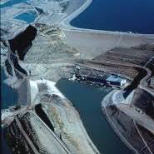
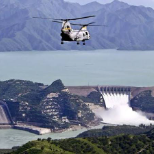
- Dams and Reservoirs: Major structures like the Tarbela Dam and Mangla Dam store surface water for irrigation and power generation.
- The Irrigation Network: The Indus Basin Irrigation System (IBIS) is the world's largest contiguous irrigation network. It includes thousands of miles of canals and over 20 barrages.
- Groundwater Extraction: Millions of tube wells pump water from underground aquifers to meet nearly 20% of agricultural demands and 37% of public supply. Rural areas rely heavily on local wells and traditional karez systems.
Sector-Wise Water Consumption Breakdown
| Sector | Consumption Share (%) | Primary Uses |
|---|---|---|
| Agriculture | 93% - 96% | Crop irrigation, livestock |
| Domestic | 2% - 3% | Drinking water, sanitation, household use |
| Industrial | 2% | Manufacturing, cooling, processing |